
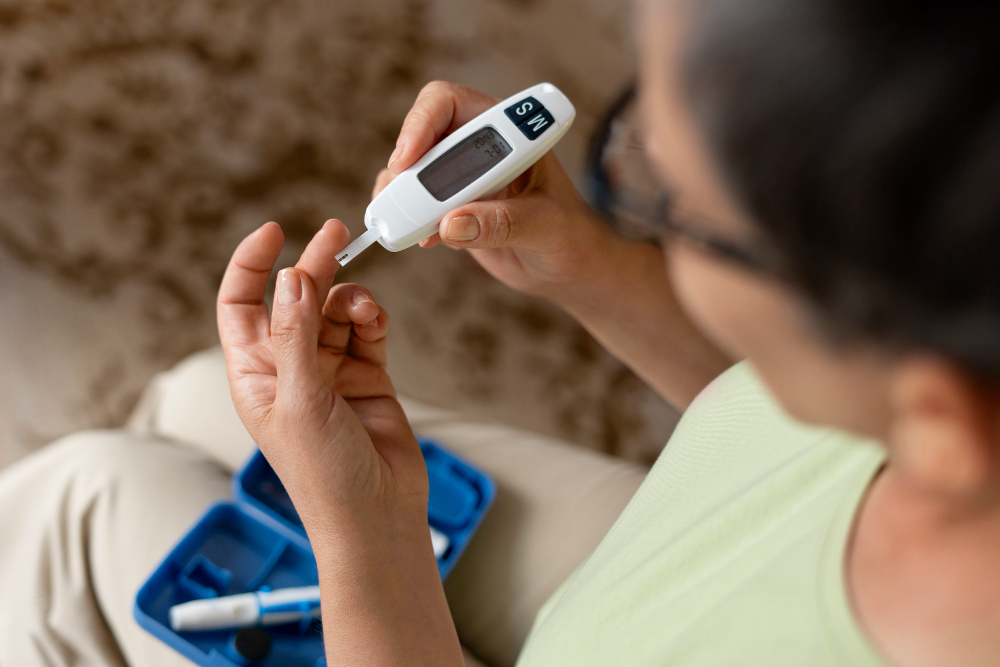
Introduction: Why Diabetes Screening Matters
Diabetes is a common health problem that affects millions of people. Early detection is important because it helps prevent serious health issues. For this reason, diabetes screening tests are key. These tests can find diabetes before symptoms appear. In many cases, early treatment can help you stay healthy. According to the CDC and WHO, regular screening can save lives.
Types of Diabetes Screening Tests
There are several ways to test for diabetes. Each test checks your blood sugar in a different way. Below are the main types of diabetes screening tests:Fasting Plasma Glucose (FPG): This test measures blood sugar after you have not eaten for at least 8 hours. It is simple and often used first.HbA1c Test: This test shows your average blood sugar over the past 2-3 months. It does not require fasting.Oral Glucose Tolerance Test (OGTT): For this test, you drink a sweet liquid. Then, your blood sugar is checked after two hours. It helps find diabetes and prediabetes.Random Plasma Glucose Test: This test checks blood sugar at any time of the day. It is often used if you have symptoms of diabetes.
Each test has its own purpose. Your doctor will choose the best one for you.
Who Should Get Screened and When
Not everyone needs diabetes screening at the same time. However, some people are at higher risk. You should consider screening if you:Are 35 years or olderHave a family history of diabetesAre overweight or obeseHave high blood pressureAre physically inactiveHave had gestational diabetes (diabetes during pregnancy)
In addition, the CDC suggests screening every 3 years for adults over 35. If you have risk factors, you may need testing sooner or more often.
How to Prepare for Diabetes Screening Tests
Preparation depends on the type of test. For example, for the Fasting Plasma Glucose test, you should not eat or drink (except water) for at least 8 hours. For the Oral Glucose Tolerance Test, you may need to fast and then drink a special liquid. However, the HbA1c test does not require fasting. Always follow your doctor’s instructions before your test. If you take any medicines, ask if you should take them before the test.
What to Expect During and After the Tests
Most diabetes screening tests are simple blood tests. First, a healthcare worker will draw a small amount of blood from your arm. The process usually takes only a few minutes. You may feel a quick pinch, but it is not very painful. After the test, you can usually return to your normal activities. In some cases, you may need to wait for your results. Your doctor will explain what the results mean for you.
Understanding Your Test Results
Test results can show if you have normal blood sugar, prediabetes, or diabetes. Here is a simple guide:Fasting Plasma Glucose: Normal is less than 100 mg/dL. Prediabetes is 100-125 mg/dL. Diabetes is 126 mg/dL or higher.HbA1c: Normal is below 5.7%. Prediabetes is 5.7% to 6.4%. Diabetes is 6.5% or higher.OGTT (2-hour): Normal is less than 140 mg/dL. Prediabetes is 140-199 mg/dL. Diabetes is 200 mg/dL or higher.
However, only a doctor can confirm a diagnosis. Sometimes, you may need more than one test to be sure.
Lifestyle Guidance and Prevention Tips
If your test shows prediabetes or diabetes, do not worry. Many people manage their blood sugar with healthy habits. For example, you can:Eat more fruits, vegetables, and whole grainsExercise for at least 30 minutes most daysMaintain a healthy weightLimit sugary drinks and snacksFollow your doctor’s advice
Even if your results are normal, these tips can help prevent diabetes in the future.
Conclusion: Take Charge of Your Health
In summary, diabetes screening tests are simple but important. They help find problems early, so you can take action. If you have questions about how to test for diabetes, talk to your doctor. Consult a healthcare specialist at KDC Hospital for personalized diabetes screening advice.