
What is a Viability Scan?
A viability scan is a special ultrasound done in early pregnancy. It checks if the pregnancy is developing as expeacted. Usually, doctors use this scan to confirm the presence of a heartbeat and to see if the pregnancy is inside the uterus. Many people call this test an early pregnancy viability scan or an ultrasound viability scan. It helps answer common questions like, “What happens during a viability scan?”
Why is a Viability Scan Important?
First, a viability scan gives important information about early pregnancy. For example, it can confirm if the pregnancy is healthy. Also, it helps detect problems early, such as miscarriage or ectopic pregnancy. Because of this, doctors can give the right care sooner. In addition, the scan can help reduce anxiety for parents by providing clear answers.
When is a Viability Scan Performed?
Usually, a viability scan is done between 6 and 10 weeks of pregnancy. However, your doctor may suggest it earlier or later if needed. For instance, if you have pain, bleeding, or a history of pregnancy loss, you may need the scan sooner. Many clinics offer this service, so you can search for a “viability scan near me” if you need one.
How is a Viability Scan Done? (Procedure)
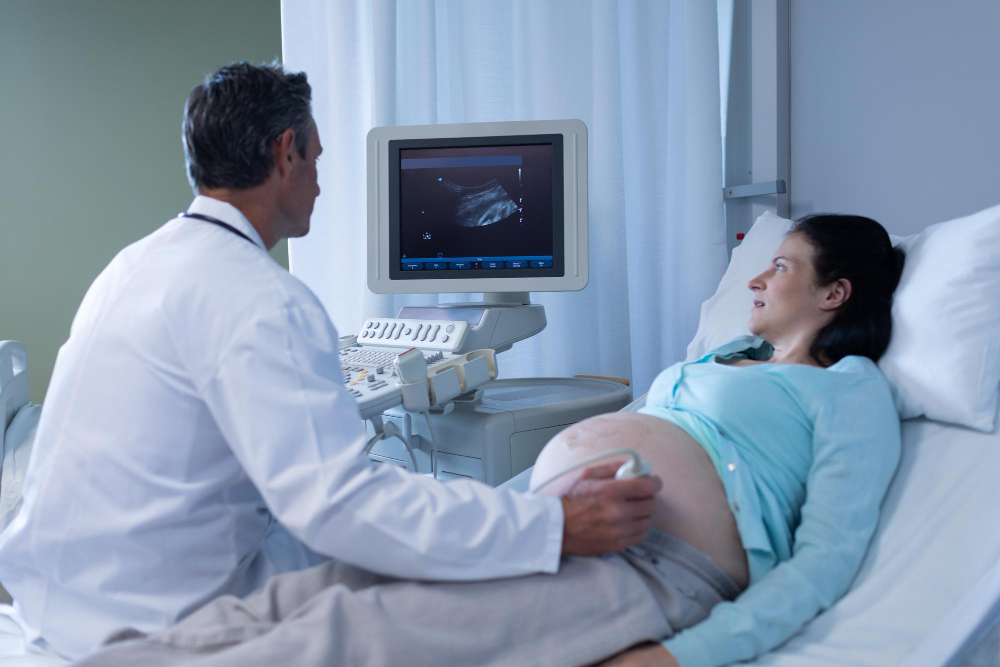
During a viability scan, a trained sonographer or doctor uses an ultrasound machine. There are two main ways to do the scan:Transabdominal scan: The doctor moves a small device over your belly. You may need a full bladder for this method.Transvaginal scan: A thin probe is gently placed inside the vagina. This method gives clearer images in early pregnancy.
Both methods are safe and painless. The doctor will choose the best option for you.
What to Expect During the Scan
Before the scan, you may be asked to drink water to fill your bladder. This helps get better images. Once you arrive, the staff will explain the process. Next, you will lie down on an exam table. If you have a transabdominal scan, gel is placed on your belly. For a transvaginal scan, you may need to undress from the waist down. The scan usually takes about 15 to 30 minutes. Afterward, you can go home right away.
Understanding the Results
After the scan, the doctor will review the images. They will check for:Presence of a gestational sac (the first sign of pregnancy)Heartbeat of the babyLocation of the pregnancy (inside the uterus)Number of embryos (single or twins)Estimated age of the pregnancy
If there are any concerns, the doctor will discuss them with you. Sometimes, a repeat scan may be needed to confirm the results.
Frequently Asked Questions about Viability Scans
Is a viability scan painful? No, it is usually painless. You may feel mild pressure.How long does the scan take? Most scans take 15 to 30 minutes.Can I eat before the scan? Yes, you can eat as normal.Will I get the results right away? Often, the doctor will discuss the results soon after the scan.Is the scan safe? Yes, ultrasound scans are safe for both mother and baby. (Source: WHO)
Safety and Risks
Viability scans use sound waves, not radiation. Therefore, they are very safe. According to the World Health Organization, ultrasound does not harm the mother or baby. However, as with any test, it should only be done when needed. If you have concerns, talk to your healthcare provider.
Tips for Preparing for a Viability Scan
Drink water before the scan if told to do soWear comfortable, loose clothingArrive a few minutes early to relaxBring any previous scan reports if you have themAsk questions if you are unsure about the process
In summary, a viability scan is a safe and helpful test in early pregnancy. It gives important information about your baby’s health. If you have questions or concerns, consult a radiologist or healthcare provider at KDC Hospital for personalized advice about viability scans.