
What Is Endoscopy?
Endoscopy overview helps you understand this common medical test. An endoscopy is a procedure where a doctor uses a thin, flexible tube with a camera to look inside your body. This tube is called an endoscope. Usually, doctors use it to check your digestive system, such as your throat, stomach, or colon. Sometimes, they use it to look at other areas, too. Because the camera sends images to a screen, doctors can see problems without surgery. In most cases, endoscopy is safe and quick.
Why Is Endoscopy Performed?
Doctors suggest endoscopy for many reasons. For example, you may have symptoms like pain, bleeding, or trouble swallowing. In these cases, endoscopy helps find the cause. Sometimes, doctors use it to take small tissue samples, called biopsies. This helps them check for diseases like cancer or infections. Also, endoscopy can help treat some problems, such as removing small growths or stopping bleeding. Overall, it is a useful tool for both diagnosis and treatment.
How to Prepare for an Endoscopy
Proper endoscopy preparation is important for a smooth procedure. Your doctor will give you clear instructions. Usually, you need to:Stop eating and drinking for several hours before the testTell your doctor about any medicines you takeArrange for someone to drive you home, as you may feel sleepy afterwardFollow any special steps if you have health conditions, such as diabetes
Because preparation steps may vary, always follow your doctor’s advice closely.
What Happens During the Procedure?
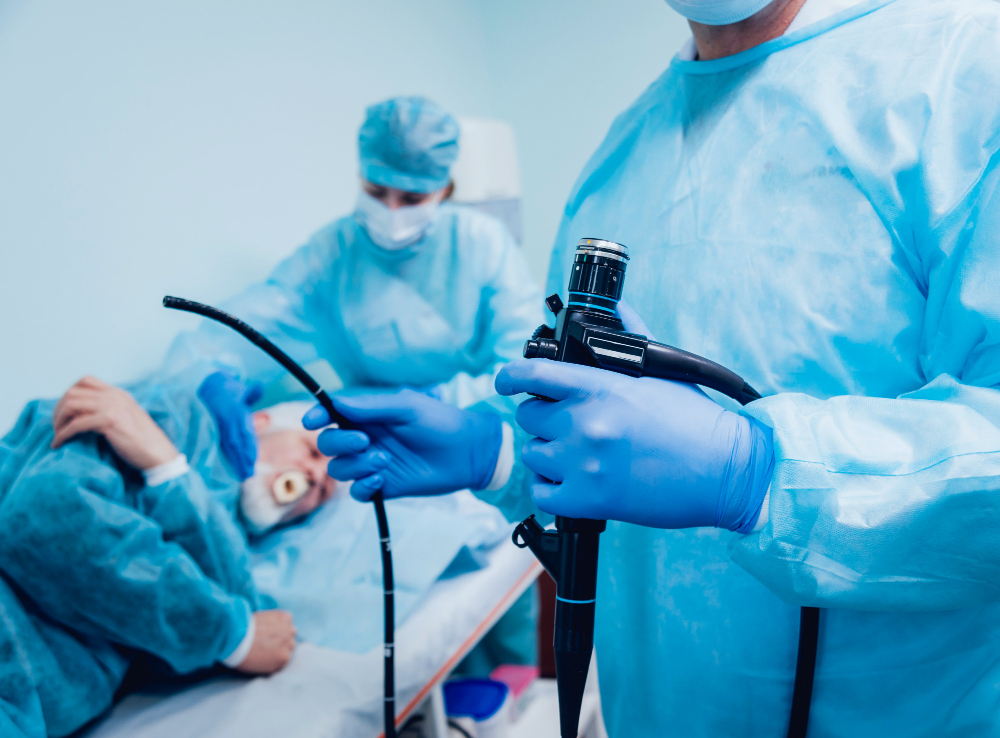
During the endoscopy procedure, you will lie down on a bed. First, the doctor may give you medicine to help you relax. Sometimes, you may get a mild sedative through a vein. Next, the doctor gently inserts the endoscope through your mouth or another opening, depending on the area being checked. You may feel slight pressure, but it should not be painful. The camera sends images to a screen, so the doctor can see inside your body. Most endoscopies take 15 to 45 minutes. Afterward, you will rest until the medicine wears off.
Benefits of Endoscopy
Endoscopy benefits many patients. For instance, it allows doctors to:See inside your body without surgeryFind the cause of symptoms quicklyTake tissue samples for testingTreat some problems during the same procedureReduce recovery time compared to surgery
Because it is less invasive, most people recover faster and have fewer risks.
Risks and Safety of Endoscopy
Although endoscopy is safe, there are some endoscopy risks. Most people have no problems, but possible risks include:Sore throat or mild discomfortBleeding, especially if a biopsy is takenInfection, though this is rareReaction to sedative medicinesVery rarely, a tear in the area being checked
According to the World Health Organization (WHO), serious problems are uncommon. Still, always talk to your doctor about your health and any concerns.
Recovery and Aftercare
Endoscopy recovery is usually quick. After the procedure, you may feel sleepy or have a mild sore throat. Most people can go home the same day. To help your recovery:Rest until the sedative wears offStart with light meals when you feel readyFollow your doctor’s instructions about medicinesCall your doctor if you have severe pain, fever, or heavy bleeding
Because everyone is different, recovery times may vary. However, most people feel normal within a day.
Frequently Asked Questions
Is endoscopy painful? Most people feel only mild discomfort. Sedatives help you relax.How long does an endoscopy take? Usually, it takes 15 to 45 minutes.Can I eat after the procedure? Yes, but start with light foods once you feel ready.Are there any long-term effects? Most people have no lasting problems after endoscopy.
When to Consult a Specialist
If you have ongoing symptoms like pain, bleeding, or trouble swallowing, you should see a doctor. Sometimes, your doctor may suggest an endoscopy to find the cause. If you have questions about the endoscopy procedure, endoscopy benefits, or endoscopy risks, ask your healthcare provider. Early advice can help you get the right care.
For personalized guidance about endoscopy, consult a specialist at KDC Hospital. Your doctor can answer your questions and help you feel prepared.